English ![]()

Tel:+0086 131 2706 9936
Mail:sales06@yppetro.com
Mail:sales06@yppetro.com
Professional oil drilling rig equipment sales.
Views: 4 Author: Site Editor Publish Time: 2026-11-11 Origin: Site
Cylinder liners are the replaceable sleeves that pistons travel inside on the fluid end of a mud pump. They absorb most of the abrasion from drilling fluid, so liner condition has a direct effect on pressure stability, volumetric efficiency and how often a pump has to be stopped for service. Choosing between a bi-metal liner and a ceramic liner is a routine maintenance decision, and a poor match usually shows up as short service life rather than an immediate failure.
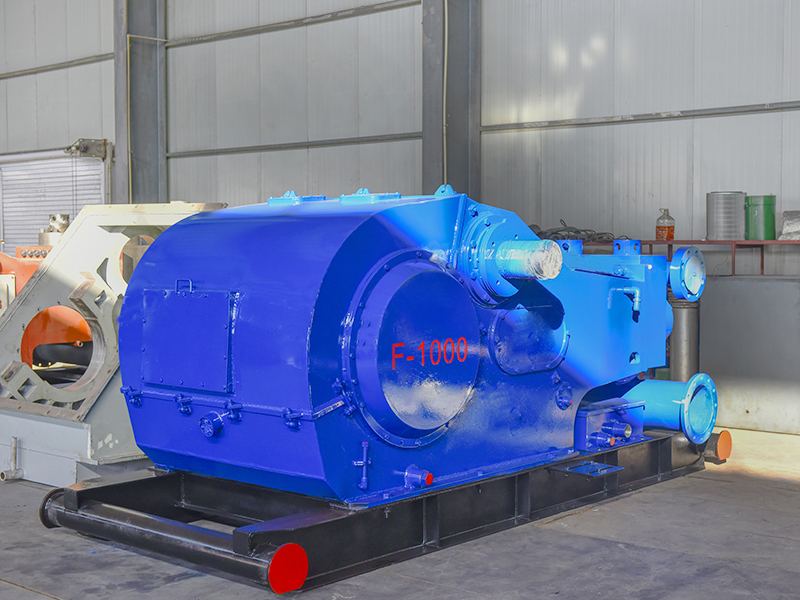
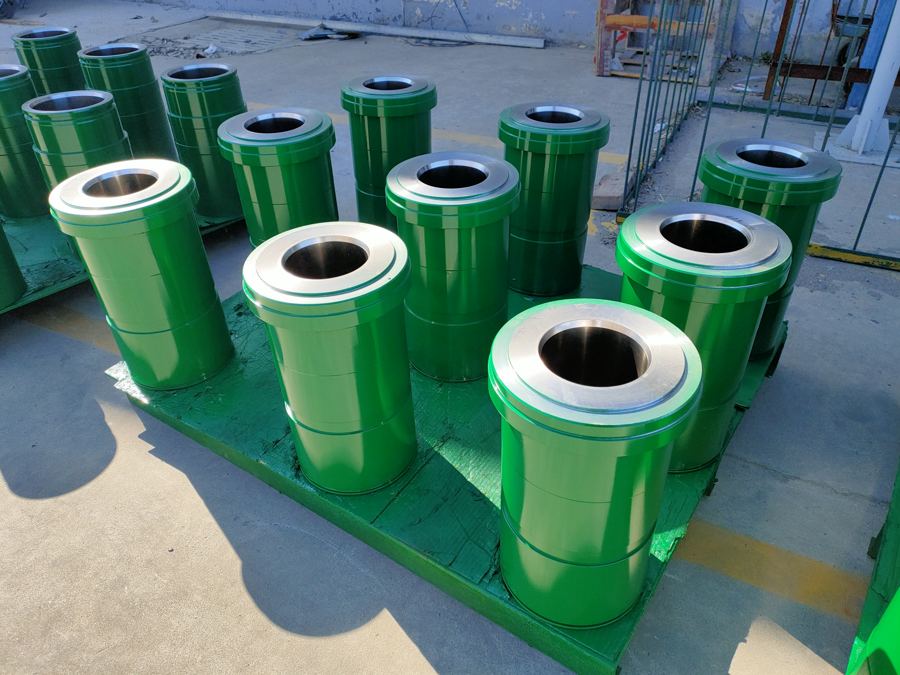
A mud pump liner is a hardened barrel mounted in the bore of the fluid cylinder. The piston and its rubber seals move back and forth inside it, drawing fluid in through the suction valve and pushing it out through the discharge valve. Because the liner forms the sealing surface, its inner finish and roundness determine how well the piston holds pressure. Liners are identified by bore diameter, and changing that diameter is the normal way to move a pump between higher flow and higher pressure duty. The fluid cylinder carries the pressure load; the liner is the replaceable wear surface.
A bi-metal liner combines a hardened high-chromium inner sleeve with a tougher outer shell. The inner sleeve resists abrasion from drilling solids, while the outer body absorbs the mechanical load and holds the fit in the cylinder bore. This construction is widely used because it is robust and tolerant of rough handling. Its service life depends heavily on mud solids content and on how well the piston rubber is matched to the bore.
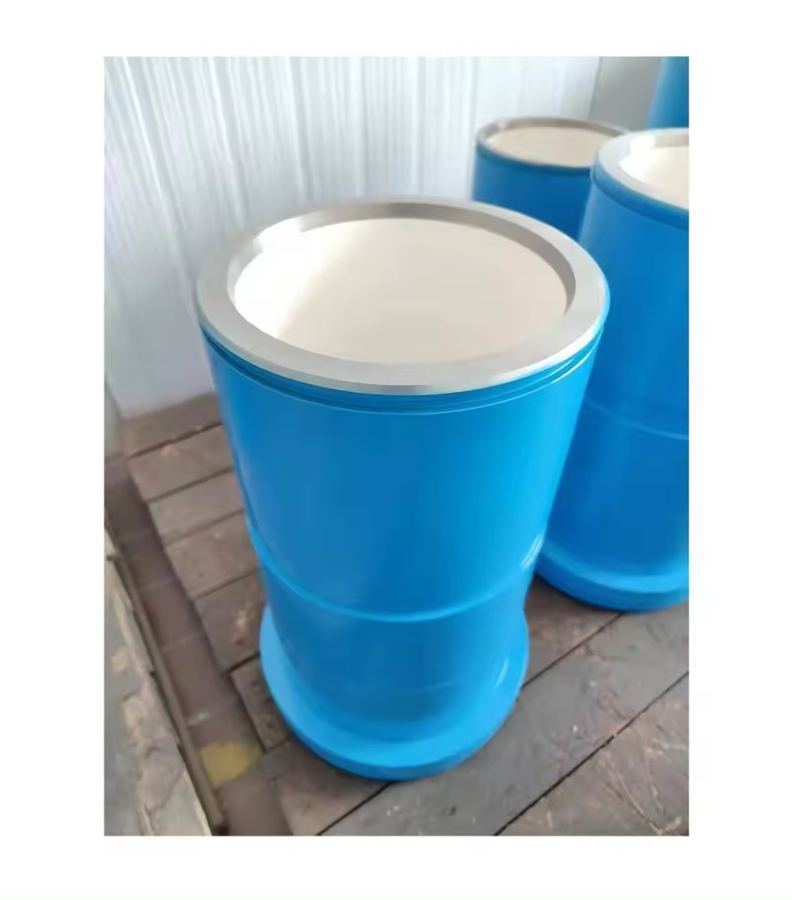
Ceramic liners use a ceramic inner sleeve fitted inside a steel outer body. The ceramic surface is harder and smoother than a metal sleeve, so it resists abrasive wear and keeps its finish longer in high-solids or high-hour service. It is also more sensitive to impact: a dropped liner or a chipped edge can damage the sleeve. Ceramic liners suit operations where long running hours justify extra care in handling.
Liner bore size sets the displacement per stroke. A larger bore delivers more flow at lower pressure, while a smaller bore allows higher pressure at reduced flow. Rather than choosing a liner by material alone, operators normally fix the bore size first from the hydraulic programme, then select the liner material that suits the expected wear. Rigs drilling different hole sections often keep several bore sizes in stock.
A liner works as part of a set: piston, piston rubber, liner packing, wear plate and cylinder head seals all have to fit the same bore and the same pump model. Mixing components from different standards is a frequent cause of early leakage. Clean and check the sealing surfaces and retaining hardware whenever a liner is changed.
Sealing surface: The liner bore provides the smooth, round surface against which the piston rubber seals on every stroke.
Wear barrier: It takes the abrasive contact so the more expensive fluid cylinder is protected and can stay in service.
Duty adjustment: Swapping liners of different bore sizes changes the pump's flow and pressure range without replacing the pump.
Confirm the pump model and bore size: Record the pump type, the fluid end part number and the required liner bore before ordering.
Review the drilling fluid: High solids content, abrasive additives and long circulating hours all favour a harder wear surface.
Check the operating pressure: Match the liner and piston combination to the pressure range so the assembly is not worked beyond its intended duty.
Inspect at every pull: Look for scoring, pitting, washed-out areas and out-of-round wear; replace liners that no longer seal cleanly.
Handle ceramic with care: Avoid impact during transport and use the correct installation tools to protect the sleeve edges.
Bi-metal and ceramic liners both do the same job, but they fit different operating profiles. Bi-metal liners are a durable, forgiving general choice; ceramic liners pay off where abrasive wear and long running hours dominate. The decision is most reliable when it starts from the pump model, the bore size and the mud conditions, and ends with the whole sealing set being matched and inspected together.
Contact us with your pump model, liner bore and operating conditions for detailed specifications and a quotation.